
Tackling the PFAS Challenge.
Per- and polyfluoroalkyl substances (PFAS) are often called “forever chemicals” for a reason: their strong carbon–fluorine bonds make them extremely resistant to natural degradation within water treatment processes. Short-chain PFAS (such as PFBA, PFBS, PFHxA, PFHxS) and ultra-short variants like TFA and PFPrA are now widespread in surface water, groundwater, and industrial water streams, driving increasingly strict regulatory limits for water quality across Europe and beyond.
PFAS removal with Inopsys: guaranteed compliance, zero CAPEX, and lowest total cost of ownership. We take care of it for you.
Used for decades in applications including non-stick coatings, textiles, food-contact materials, firefighting foams, and specialty chemicals, PFAS are now known for their persistence, bioaccumulation, and potential impact on human health and biodiversity within water systems. While the effects of some PFAS are well studied and others are still being evaluated, legislation increasingly requires the removal of PFAS from water streams, creating a need for reliable treatment solutions to protect our water resources.
How can PFAS be removed?
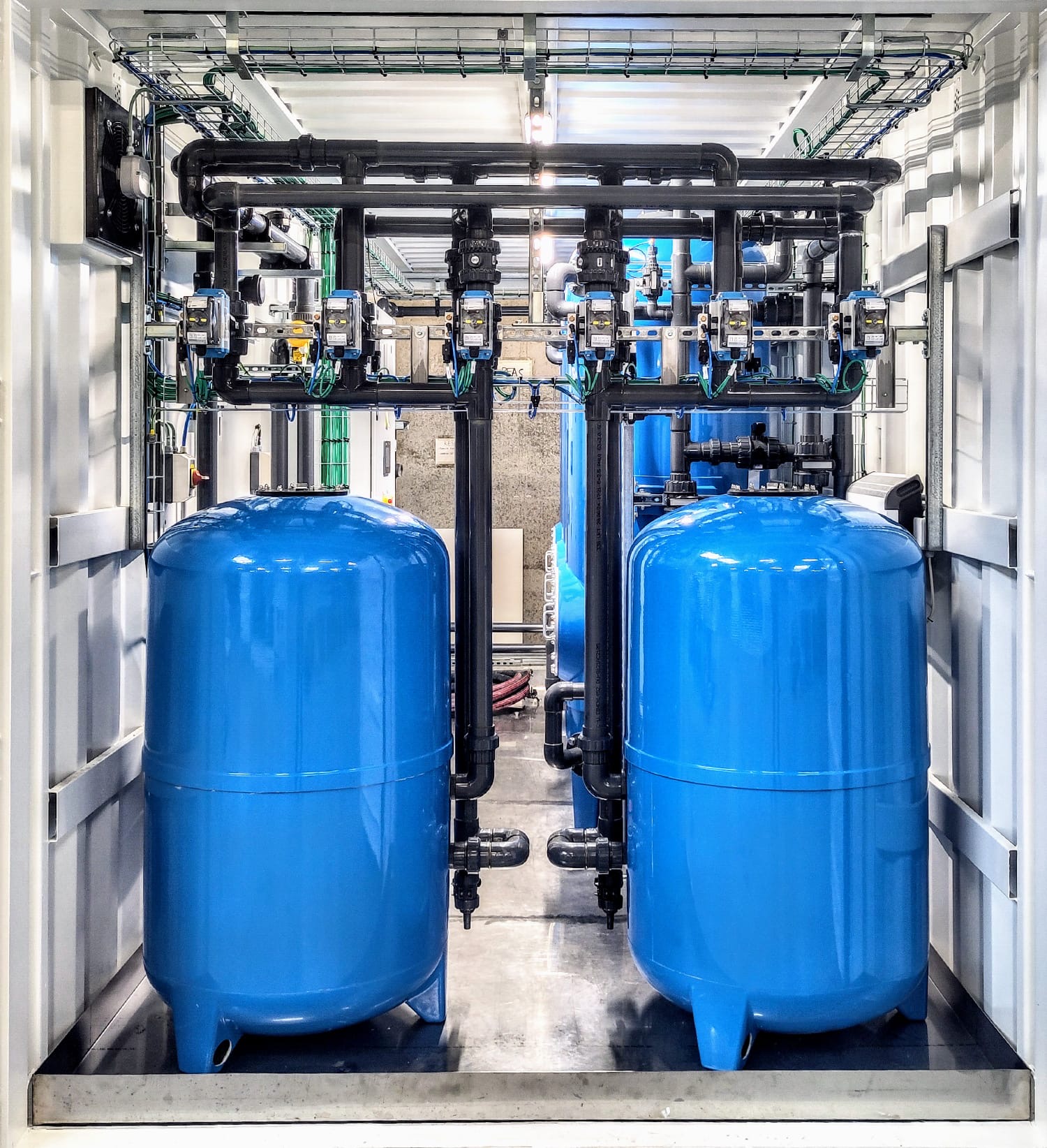
Multiple treatment technologies exist today for PFAS removal within water purification, such as granular activated carbon (GAC), ion exchange (IEX) resins, and membrane units. Each comes with strengths and limitations, and the optimal solution depends on many factors such as:
- the specific PFAS compounds present
- the composition of the water matrix
- customer's up- & downstream processing steps
In other words, PFAS removal in industrial water treatment is never a one-size-fits-all exercise.
Why Inopsys is your safest choice for PFAS removal
Inopsys delivers the right technology for your specific PFAS challenge within industrial water treatment. We don’t promote a single technology, but select the best available solution tailored to your water stream. We ensure effective and reliable PFAS removal, ranging from ‘classic’ PFAS to short-chain and ultra-short PFAS, including challenging compounds like TFA and PFPrA.
 higher capacity
  Faster treatment
  regenerable
  Better removal
  reduction life cycle cost